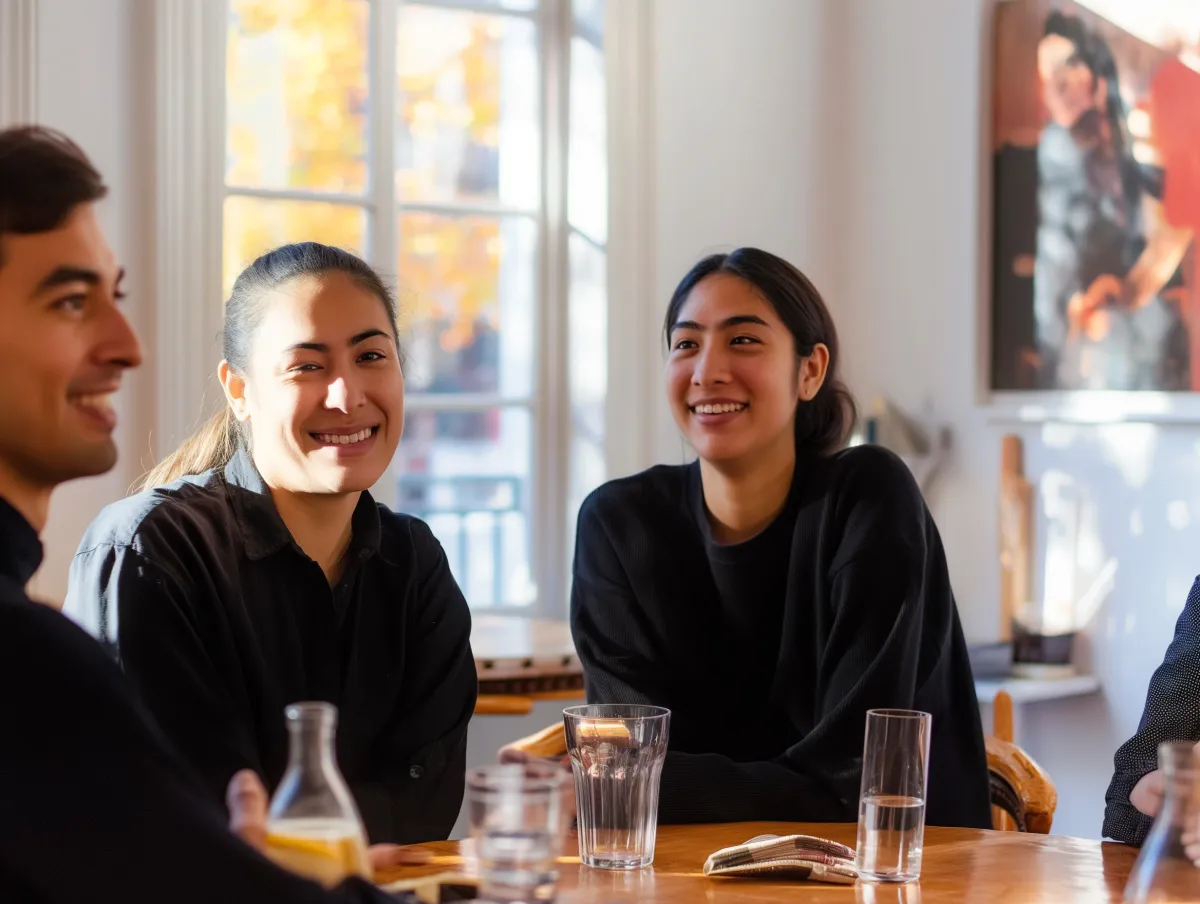
Learn more about the value of mastering everyday conversations by immersing yourself in
real-life scenarios. Imagine stepping into a bustling café in Kuala Lumpur, where the
hum of lively voices forms the backdrop to a friendly exchange. Whether you are ordering
a meal, greeting a new acquaintance, or asking for directions, your ability to use
commonly spoken phrases with ease sets you apart. Each phrase you learn is not just a
collection of words; it is a gateway to being understood and feeling comfortable among
native speakers.
Through storytelling, practical dialogue examples help you
connect with local cultural norms and speech etiquette. For instance, beginning a
conversation with a polite greeting, followed by well-timed expressions of gratitude or
curiosity, fosters immediate rapport. In Malaysia, the emphasis on respect—for elders,
peers, and service staff—shapes daily communication. Knowing how to tailor your speech,
use appropriate honorifics, and interpret subtle nonverbal cues all contribute to
smoother, more effective exchanges.
Active practice is essential. Try
engaging with different conversation partners, paying attention to tone and context.
Role-playing dialogues reflecting actual situations—such as shopping, meeting friends,
or handling small disputes—can boost both confidence and fluency over time.
Communication is a dynamic skill, not a series of scripts, so adapting your phrasing as
the context demands is key. Results may vary, as each interaction presents its own
unique challenges.
Storytelling brings learning to life by placing you at the heart of authentic
experiences. Picture yourself at a street market, haggling amicably with a vendor in
Bahasa Malaysia or English, using phrases you have picked up through active listening.
Real dialogues are marked by subtle cues and quick thinking—a nod here, a polite smile
there. Understanding local customs, such as allowing elders to speak first or using soft
tones, gives you an edge in fitting seamlessly into Malaysian culture.
Focusing
on recurring conversational patterns is helpful. Common expressions such as "Terima
kasih" (thank you), "Boleh saya bantu?" (Can I help?), or "Maaf, di mana tandas?"
(Excuse me, where’s the restroom?) appear often in day-to-day situations. Having these
handy, and recognizing their variations in casual or formal registers, means you are
always prepared for interaction. Staying observant of nonverbal nuances, such as eye
contact or gesture usage, enhances mutual respect and comfort during any exchange.
As you practice, remember every situation is a learning opportunity. Everyday scenarios
offer the richness of unscripted speech—unrehearsed, sometimes imperfect, but genuinely
reflective of how people communicate. The beauty of conversational skill is its
adaptability; with exposure, you become better equipped to handle misunderstandings,
express opinions, and navigate tricky cultural situations. Malaysian dialogue is
layered, often balancing directness and politeness, and learning the etiquette behind
responses can avoid miscommunication.
By emphasizing practical use cases,
such as handling a phone conversation or greeting someone new with the right blend of
warmth and respect, you are investing in your ability to connect. In summary, consistent
exposure, practical interaction, and open-minded observation are the foundations of
successful communication. While no method ensures instant fluency, your confidence and
capability will grow with experience.